
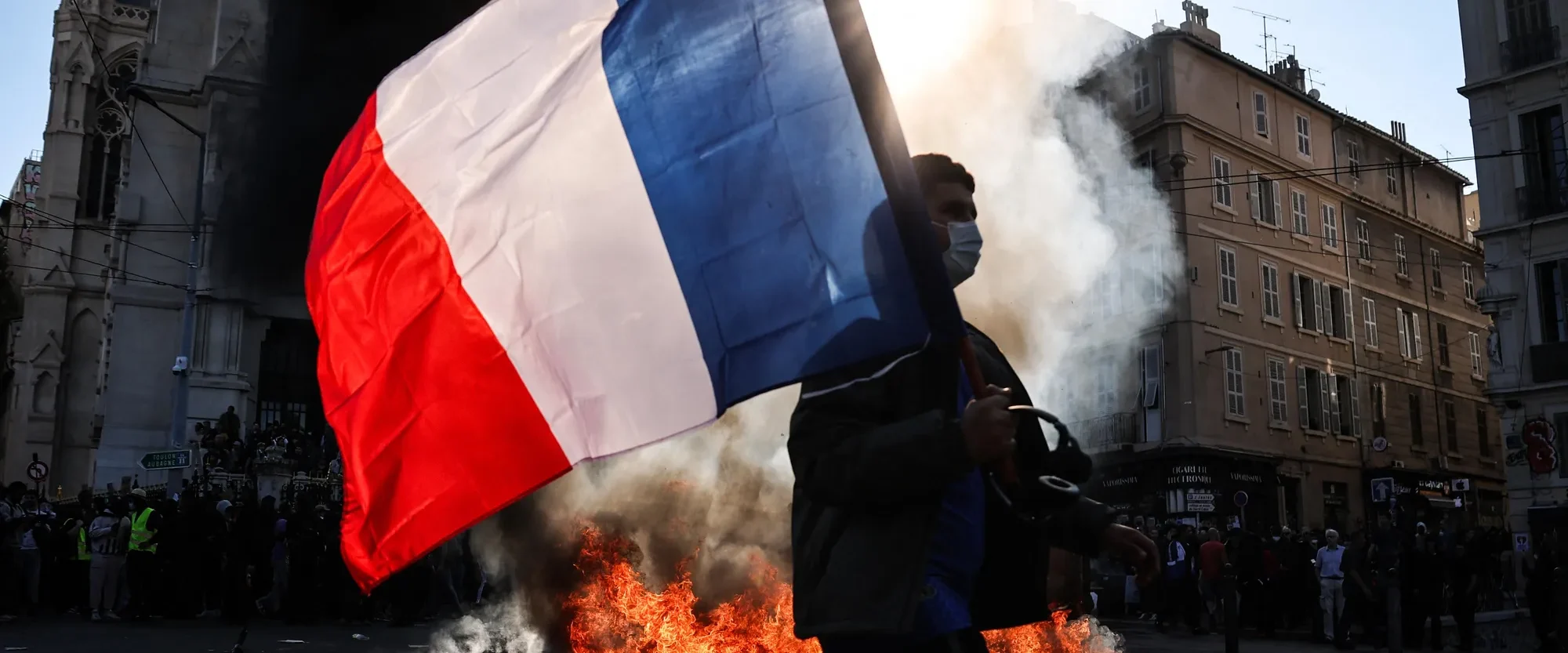
Which, to some extent, is true. Except that when it comes to the deeper reasons for discontent and the surge in support for populists and authoritarians, the differences are far smaller than some images of protests in Paris might suggest.
I discussed with Martin Kaelble just how similar Germans and French people currently are in this respect, in the fourth episode of our New Economy Sounds podcast. There was plenty of material, after we recently convened in Paris with selected German and French experts to discuss the topic – in cooperation with the Paris School for International Affairs at Sciences Po. On both sides of the Rhine, uncertainty and feelings of powerlessness dominate, and populists have already shaped the general tone of society significantly – for instance, when it comes to the country’s nearly unavoidable decline, which, according to the demagogues, naturally calls for a strong savior.
Thanks to a growing body of research, it is becoming increasingly clear what drives people to vote for populists – with new insights emerging time and again. When it comes to powerlessness and loss of control, it is also about the breakdown of social relationships and loneliness, as the Paris-based researcher Yann Algan has pointed out. An unsettling side note: according to his analyses, the Yellow Vest protests once occurred mainly in regions where a particularly large number of cafés had previously disappeared – meaning social cohesion was most fragile there.
What France is currently experiencing is also dramatic from a fiscal policy perspective: when a country carries a heavy burden of sovereign debt, the conventional wisdom has always been that investors will pull back and interest rates will rise – forcing the government to consolidate. That’s what the standard economics textbooks say. That’s also what, say, the Greeks once experienced firsthand.
Except: what if it has since been demonstrated that such cuts to public services only drive even more people to vote for authoritarians and anti-democrats? And what if the state, despite high debt levels, hasn’t actually invested much in the future (which is precisely what would make debt worthwhile) – and students are protesting, not without reason, about the poor state of their schools’ facilities? Does the mantra that the state simply must cut spending across the board still apply without question? Even if it pushes democracy even further into crisis?
So what would a truly sustainable fiscal policy look like? More on that soon. To be continued.
Credit Picture: (c) Thibaud Moritz/AFP via Getty Images